Turn Back Time: Daylight Saving Ends on Sunday, November.2, 2025
Oct 31, 2025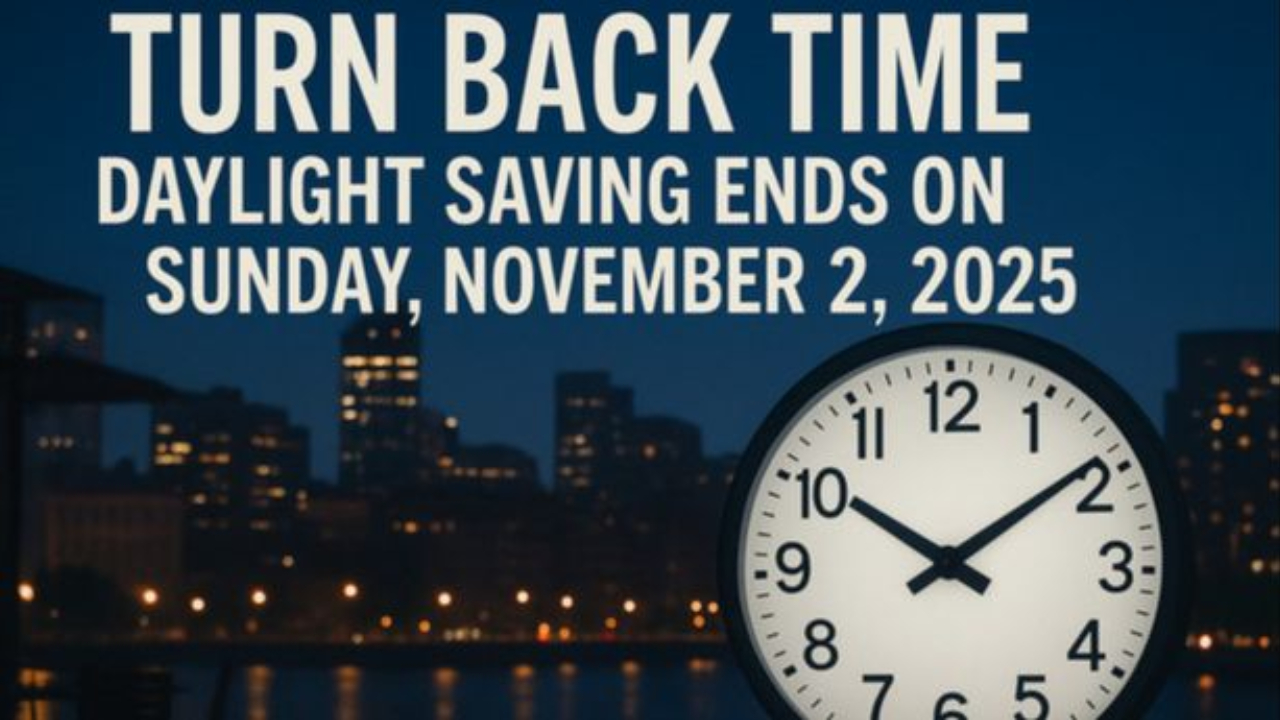
This Sunday, November 2, 2025, at 2:00 a.m., Americans will experience a bit of time travel. Clocks will “fall back” one hour to 1:00 a.m., officially marking the end of Daylight Saving Time (DST) for the year. For night owls, it’s an extra hour of sleep (or revelry), and for bartenders, it’s the only night they can legally close the bar at 2:00 a.m. then reopen for one more hour before 2:00 a.m. arrives again.
A Brief History of Daylight Saving Time
The concept of Daylight Saving Time dates back to the early 20th century, though its roots can be traced to Benjamin Franklin’s 1784 essay suggesting that people could economize on candles by rising earlier to use natural daylight. Modern Daylight Saving was first adopted during World War I, when Germany implemented it in 1916 to conserve fuel for the war effort. The idea quickly spread, and the United States followed suit in 1918, under the Standard Time Act, signed into law by President Woodrow Wilson.
DST was discontinued after the war but reinstated during World War II under President Franklin D. Roosevelt as “War Time.” Since then, it has come and gone in various forms, with Congress setting the modern schedule under the Energy Policy Act of 2005, which extended DST from the second Sunday in March to the first Sunday in November.
Why We Change the Clocks
The original intent behind Daylight Saving Time was energy conservation; shifting daylight hours to later in the day would reduce the need for artificial lighting and heating. However, with modern energy consumption driven by electronics and air conditioning rather than lighting, studies have shown that the energy savings are minimal or even negligible.
Advocates still argue that DST promotes outdoor activity, reduces traffic accidents during daylight hours, and benefits retail and recreation industries.
Opposition and Calls to Abolish DST
In recent years, opposition to the twice-yearly clock changes has grown. Critics point to studies showing increased rates of heart attacks, workplace injuries, and traffic accidents immediately following the spring “forward” transition. Sleep researchers say the disruption to the body’s natural circadian rhythm outweighs any benefit of longer evening daylight.
A bipartisan push in Congress — led by the “Sunshine Protection Act”, introduced several times since 2018 seeks to make Daylight Saving Time permanent nationwide, ending the biannual clock changes. However, while the bill has passed in the U.S. Senate in previous sessions, it has not gained full approval in the House of Representatives, meaning the practice continues for now.
Who Decides — and Could It End?
Daylight Saving Time in the U.S. can only be changed or abolished by Congress, and the President would need to sign any reform into law. States can, however, choose to opt out of DST altogether as Hawaii and most of Arizona already have under existing federal law. Several states, including Florida, California, and New Jersey, have passed legislation expressing interest in staying on permanent Daylight Saving Time, but they must wait for federal authorization before doing so.
A Global Patchwork of Timekeeping
Daylight Saving Time is not just an American quirk. Roughly 70 countries worldwide observe some version of DST, mostly in North America, Europe, and parts of the Middle East. Many countries near the equator, where daylight hours vary little year-round, never adopted it. Others, including Japan, China, India, and most of Africa have abandoned it altogether.
In the European Union, leaders voted in 2019 to end mandatory seasonal time changes, but implementation has been delayed. Each member nation will eventually decide whether to stay permanently on “summer time” or “winter time.”
The Long Night Ahead
So, as the clocks wind back this Sunday, remember to enjoy your bonus hour responsibly, whether you’re sleeping in, sipping coffee, or closing out a late night at your favorite local bar. For now, Daylight Saving Time remains a twice-yearly ritual — part science, part politics, and part tradition — that continues to spark debate as to whether time itself should be legislated by daylight.
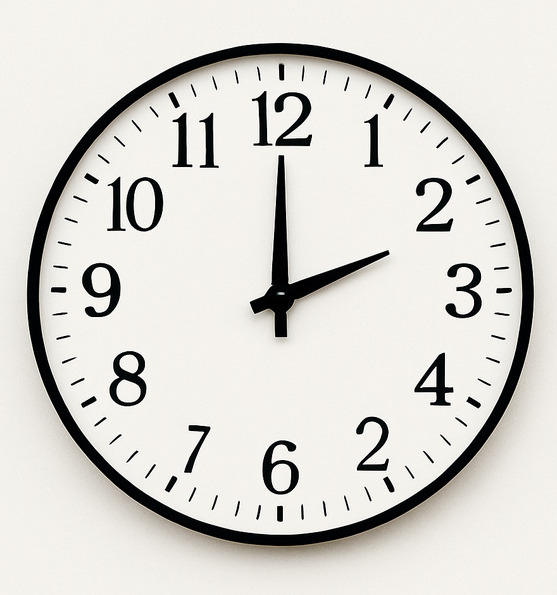
Reminder: Set your clocks back one hour before bed on Saturday night or at 2 p.m., the official time to turn the clock back on Sunday morning. Enjoy a rare 25-hour Sunday
📣 Tell us what you think on our Community Discussion Board. Not a member yet? Sign up today and be part of the conversation. It's a Free Membership.
Submit An Article