Daylight Saving Ends Today: Harrison NJ Residents Turn Clocks Back
Nov 01, 2026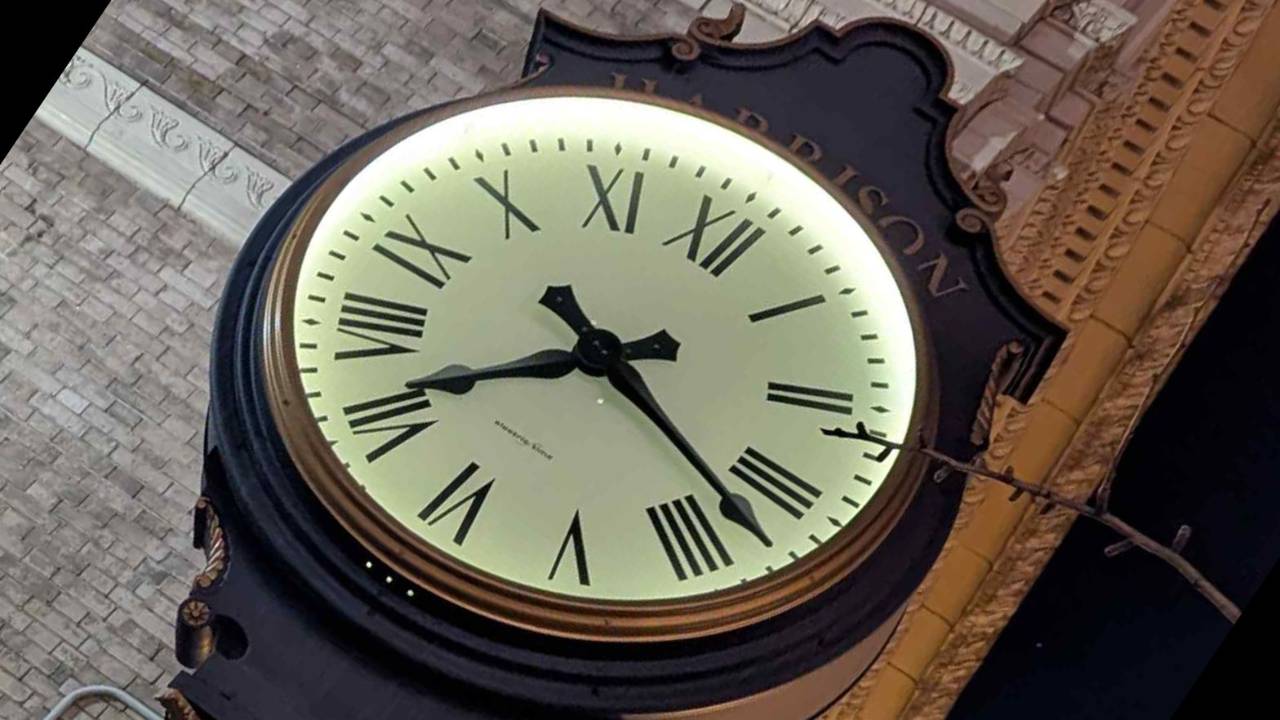
Clocks Fall Back Today: Harrison Residents Gain an Extra Hour as Daylight Saving Time Ends
After a night of Halloween celebrations, West Hudson residents get an extra hour of sleep — but darker evenings are on the way.
If you celebrated Halloween Saturday night in Harrison, East Newark, or Kearny, Mother Nature has given you a little extra time to recover from the festivities.
Daylight Saving Time officially ended early this morning, Sunday, November 1, 2026, at 2 a.m., when clocks were turned backward one hour to 1 a.m.
That means everyone gained an extra hour overnight, making today a 25-hour day.
For those who attended Halloween parties at local clubs, restaurants, and neighborhood gatherings, the additional hour may have been especially welcome.
However, the return to Eastern Standard Time also signals a change that many residents are less enthusiastic about: the sun will begin setting noticeably earlier in the evening.
Brighter Mornings, Darker Evenings
With the clocks turned back, sunrise and sunset now occur approximately one hour earlier than they did Saturday.
For Harrison residents commuting to work, students heading to school, and pedestrians walking to the Harrison PATH Station, the change means more daylight during the early morning hours.
Unfortunately, the trade-off is less daylight during the late afternoon and early evening.
As November progresses, darkness will arrive earlier, affecting residents returning home from work, children participating in outdoor activities, and motorists traveling through Harrison's busy streets.
Drivers should pay close attention to pedestrians and cyclists during the late-afternoon commute, when reduced daylight can make visibility more challenging.
Don't Forget to Change Your Clocks
Although most smartphones, computers, and other internet-connected devices automatically adjusted overnight, some household clocks still require manual adjustment.
Residents should check their kitchen appliances, including microwave ovens and stoves, as well as older alarm clocks, wall clocks, wristwatches, and vehicle dashboards.
If you are reading this article Sunday morning and your microwave says it is 10 a.m. while your smartphone says 9 a.m., your microwave likely needs adjusting.
Remember the familiar saying: "Spring Forward, Fall Back."
An Important Reminder About Smoke and Carbon Monoxide Detectors
The time change is also a great opportunity to check household safety equipment.
Residents should test their smoke detectors and carbon monoxide alarms to ensure they are functioning properly.
Replace batteries when necessary, following the manufacturer's recommendations.
Newer smoke detectors equipped with sealed, 10-year batteries do not require routine battery replacement. Replace these units when they reach the end of their service life. But that doesn’t mean you should not test them to make sure the battery is still working.
With colder weather approaching and home heating systems running more often, functioning carbon monoxide detectors are especially important.
Carbon monoxide is an odorless, colorless gas that can be deadly. Properly functioning detectors provide an important warning against dangerous levels of the gas.
Taking a few minutes today to check these devices could save lives.
Why Do We Change Our Clocks?
Daylight Saving Time was originally introduced in the United States in 1918 as a wartime energy-conservation measure.
Congress established the current schedule through federal legislation enacted in 2005, with the changes taking effect in 2007.
Under that schedule, Daylight Saving Time begins on the second Sunday in March and ends on the first Sunday in November.
Although Congress has tried to eliminate the twice-yearly clock changes, the country still follows the traditional schedule.
Not every state participates. Hawaii and most of Arizona remain on standard time year-round.
New Jersey continues to observe Daylight Saving Time.
When Will We Spring Forward Again?
Residents will not have to adjust their clocks again until Sunday, March 14, 2027, when Daylight Saving Time returns.
At 2 a.m. that morning, clocks will move forward one hour to 3 a.m.
Unfortunately, that means losing the extra hour gained today.
Until then, Harrison and its neighboring West Hudson communities can look forward to brighter mornings, earlier sunsets, and the approaching holiday season.
For now, enjoy that extra hour. After a busy Halloween weekend, you may have earned it!
Your Harrison Is Your Community — Join the Conversation
Local news is better when the community is part of it. After reading this article, tell your neighbors what you think, share information, ask questions, or start a discussion on the Community Discussion Board.
Not a member yet? Joining Your Harrison is free. Become part of a growing community of residents, former residents, local business owners, and others who care about what is happening in Harrison and West Hudson.
Join Your Harrison FREE today, then make your voice part of the conversation.
Submit An Article